How to make henna darker: before, during and after
How to make henna darker on the hands: preparing the skin, whether to shave first, how long to leave the paste on, and the first-day habits that set the colour.
Henna
To make henna darker, do three things: put the paste on clean, oil-free skin; leave it on for as long as you can, ideally six hours or overnight; and keep the design away from water for the rest of the day after the paste comes off. Warmth helps, scrubbing hurts, and the colour will keep deepening on its own for two days. There is no product that darkens natural henna beyond what the skin and the time allow, and the one that claims to is the one to avoid.
The rest of this article is the detail, in the order it happens.
What to do before henna
The stain is made by the dye in the paste moving into the outer layer of your skin. Anything sitting on the skin gets in the way, so preparation is mostly about taking things off it.
- Wash the area with ordinary soap and dry it well. No lotion, no body oil, no sunscreen, no perfume on the hands that day.
- If you exfoliate, do it the day before, gently. Freshly scrubbed skin is fine; raw skin is not.
- Finish any hair removal a day or two earlier. See below.
- Wear something with loose sleeves you can push up, and that you do not mind a little paste on.
- Eat first, go to the bathroom first, charge your phone and put it where you can see it without holding it. You will not have your hands for several hours.
- Tell the therapist about any allergy or skin condition before she opens the cone, and ask what is in the paste if you have not already.
Should I shave before henna?
If you normally remove hair from the area, do it a day or two before, not the same day. Hair itself does not take a stain, so a design over hair looks broken; but skin that has just been shaved or waxed is irritated and stains unevenly, and wax can leave a residue that blocks the dye. A day's gap gives the best of both. If you do not remove hair from your hands or forearms, there is no need to start; the palm and the back of the hand, where most designs sit, are largely bare anyway.
During: how long to leave the paste on
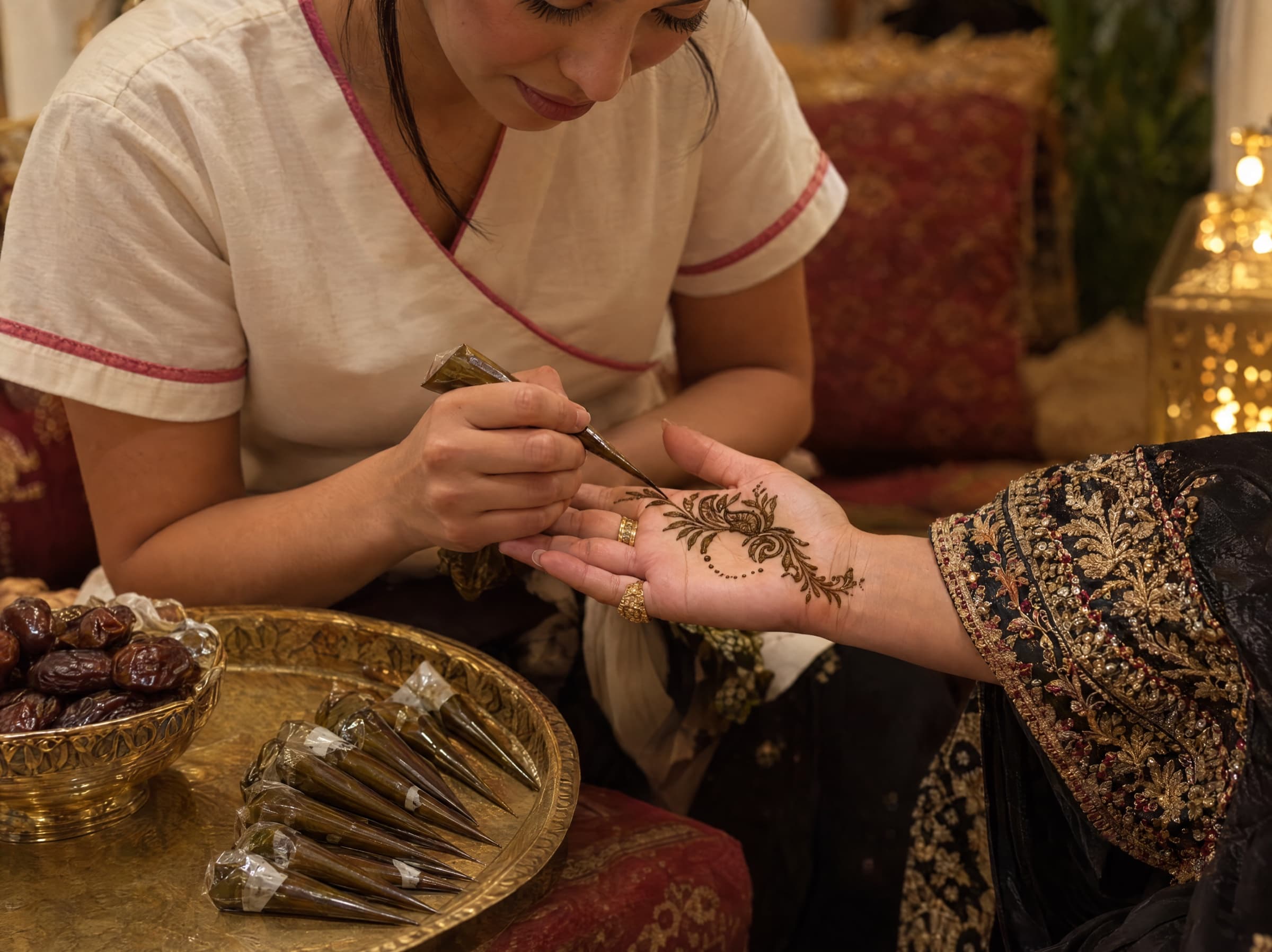
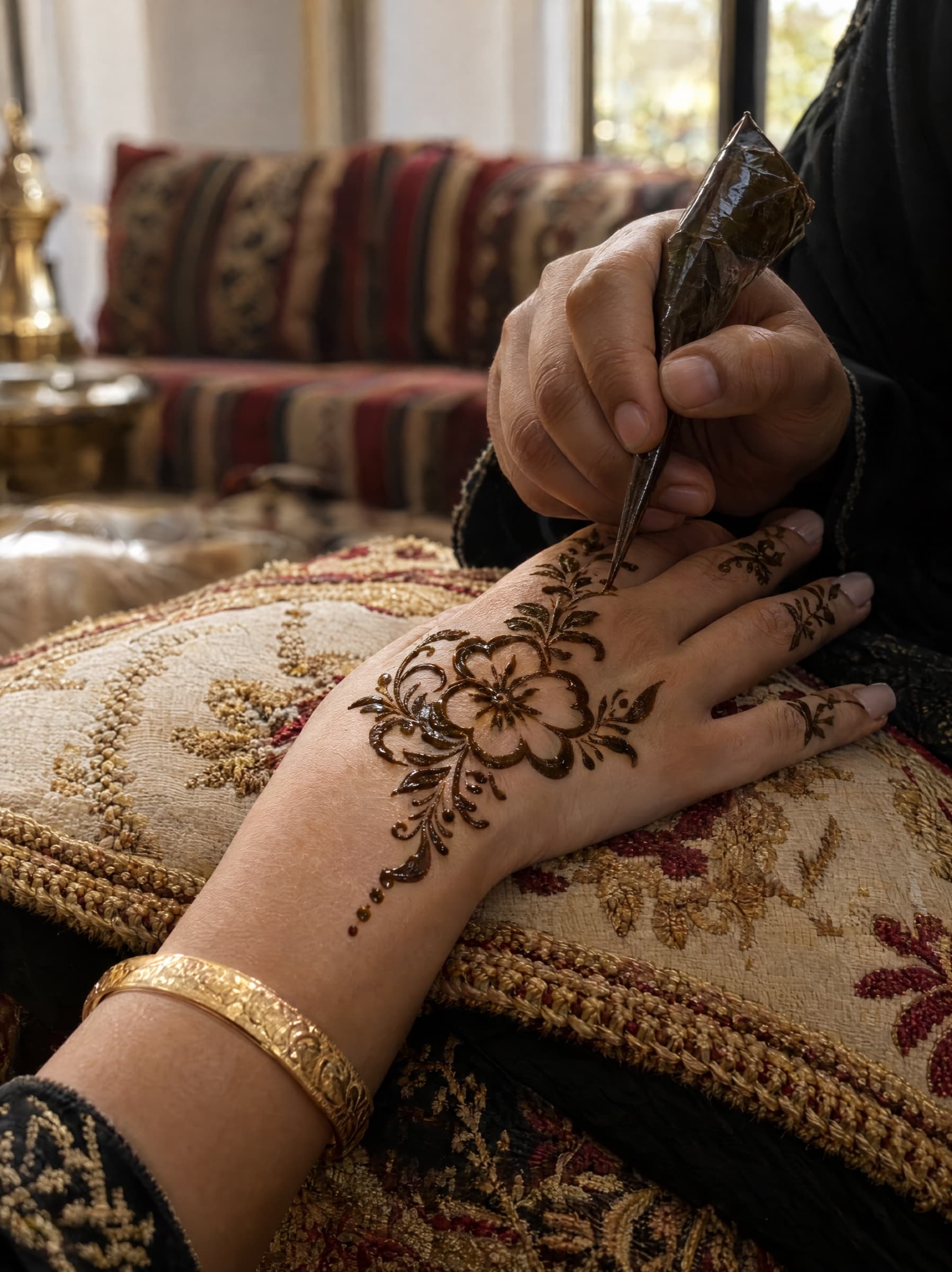
This is the single biggest factor. Two hours gives a light stain; four is respectable; six or more gives the depth most women are hoping for. Beyond about twelve hours there is little to gain.
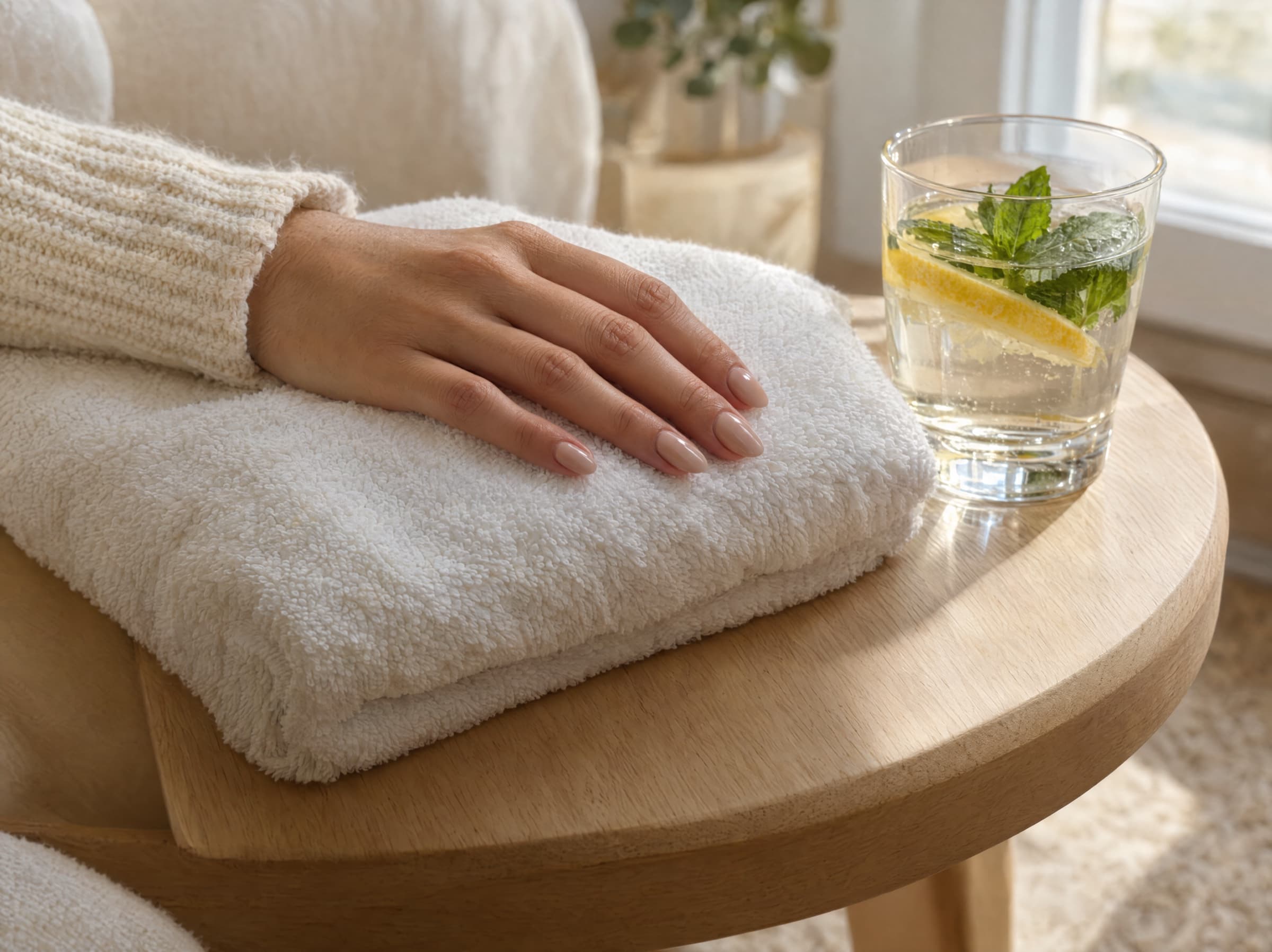
Sit still until it is properly dry, which takes 20 to 30 minutes. Then keep it warm. Warm skin takes dye faster, which is why a design done in an air-conditioned room can come out lighter than one done at a summer gathering. A shawl over the hands, or simply keeping them out of the direct blast of the vent, helps. Some women hold their hands near a warm cup; do not hold them near a flame.
Sugar-and-lemon dabbed over the dried paste is a traditional way to keep it moist and stuck to the skin longer. It works, but it is sticky and easy to overdo; too much wets the paste and blurs the lines. If your therapist offers it, let her do it. If not, a light wrap does the same job.
How to make henna darker overnight
Overnight is the easiest way to reach the six-hour mark without losing a day. Once the paste has dried, wrap each hand loosely in a soft cloth, a clean sock or a few layers of tissue held with a little tape at the wrist. The wrap keeps the paste against the skin and out of the sheets. Sleep on your back if you can. In the morning, unwrap and scrape the paste off with a blunt edge or by rubbing your hands together over the bin. No water.
After: the first 24 hours decide the colour
- Scrape the paste off; do not wash it off.
- Keep water away from the design for as long as you can, ideally until the next morning. Wash the rest of your hands around it if you must.
- Rub a little plain oil or balm over the stain once the paste is off. It protects the skin from water and does no harm to the developing colour.
- Stay warm and out of the pool, the bath and the steam room.
- Do not scrub, exfoliate or use strong cleaning products for two days.
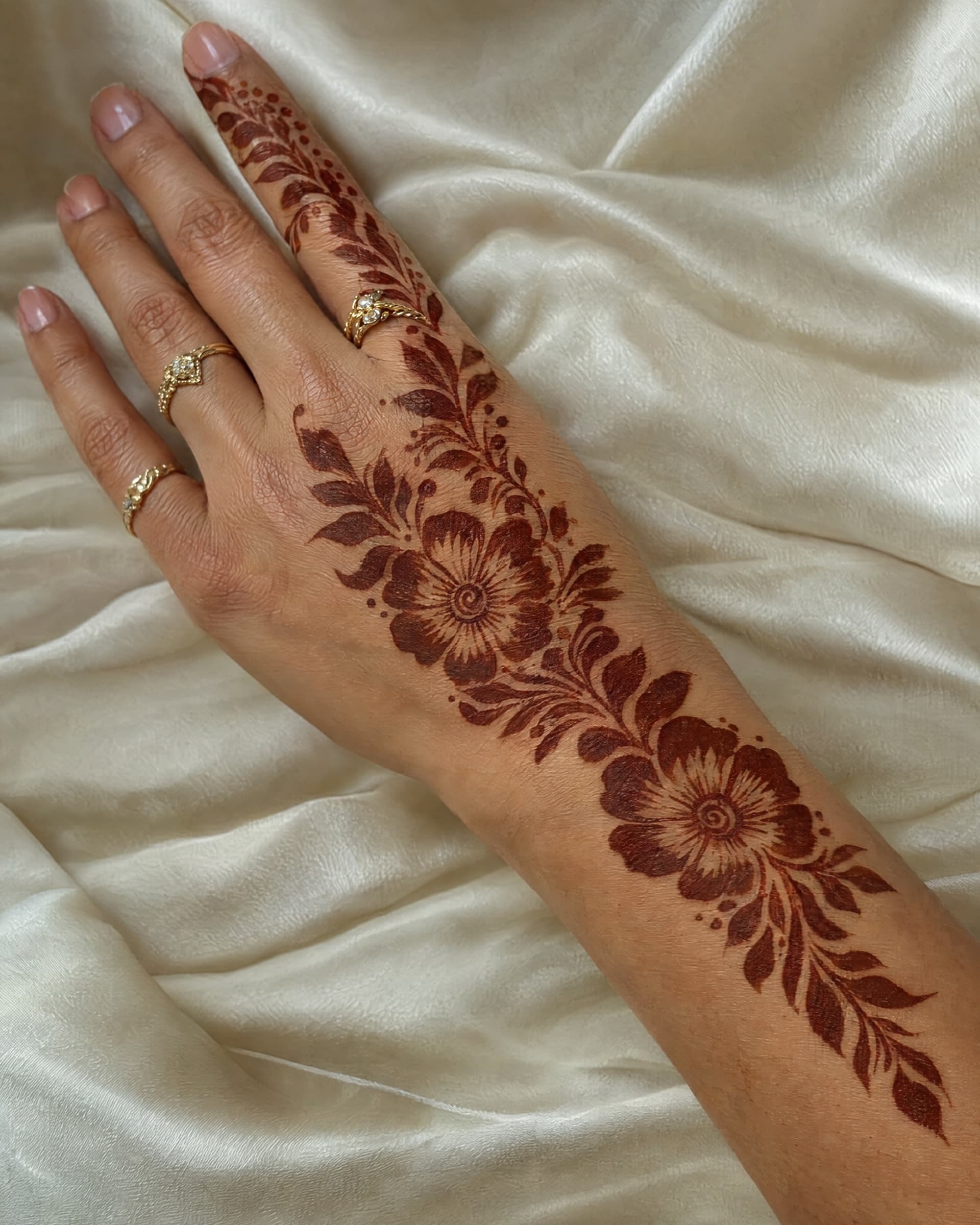
The stain comes off the skin orange and deepens to red-brown over 24 to 48 hours. That first-morning orange worries everyone; wait. If you want to know what happens after that, how long henna lasts on the hands follows the stain through to the fade.
Why some stains are darker than others
Even with everything done right, the henna stain will not be the same on every part of the body or on every woman. Palms, fingertips and soles go darkest because the skin there is thickest. The back of the hand is lighter; the forearm lighter still. Skin type matters too: thicker, drier skin usually takes a deeper colour than thin or oily skin. Freshly made paste from good leaf gives a stronger stain than paste that has been sitting; that is the therapist's side of the bargain, and you can ask her about it.
The one thing not to do
If a paste promises a black stain, a stain in under an hour, or a colour that needs no waiting, it is not natural henna. Natural henna stains orange to red-brown, never black, and always needs hours. "Black henna" usually contains a chemical dye that can burn the skin and cause a lasting allergy; is henna safe in pregnancy, and what is black henna? explains what to look for. Darker is worth a few hours of patience; it is not worth a scar.
What you can book
Hamd Beauty applies henna at home. Book henna on both hands, front and back in a Khaleeji or floral design, or bridal henna for the hands to the elbow and the feet to the ankle. Both are on the henna page. Book for a time when you can keep your hands still for the rest of the evening, and ask what is in the paste when you book.